Previous Page


Wildlife in Chile

Observing the wildlife in Chile was a wonderful experience. This page is primarily a photographic record - though unfortunately not all the animals were happy to pose conveniently, so there are some notable omissions. We've also included a few typical flora, as well as fauna.


There are albatross everywhere, throughout the Canales. Most commonly these are the smaller versions, Black Browed being the most common, but occasionally in more open water you see the effortless soaring flight of the Wandering and Royal Albatross, with their distinctive hunched backs and vast wingspan.

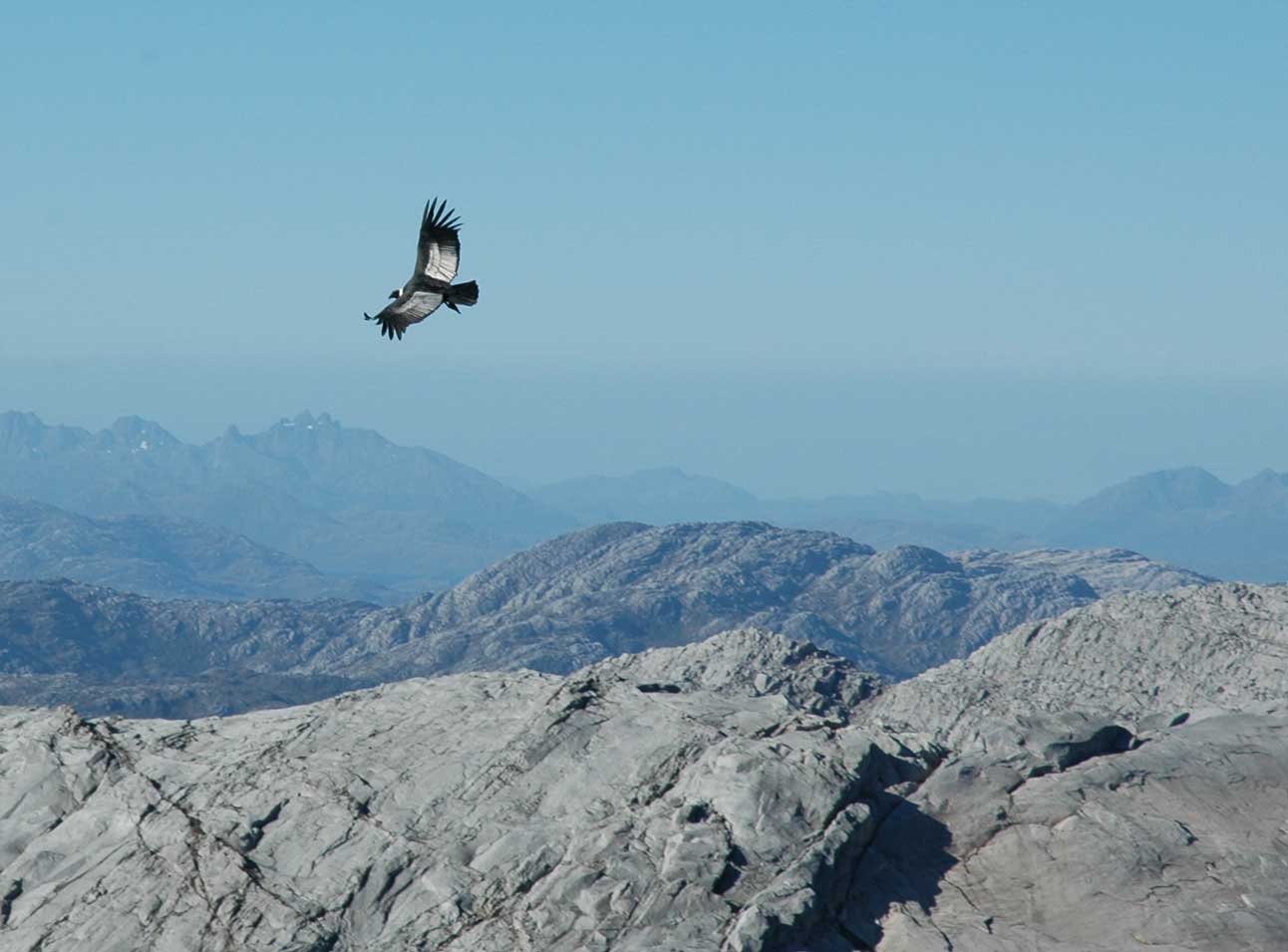


The land equivalents are the condors, always riding the thermals high in the sky over warmed rocky heights or the edges of glaciers.


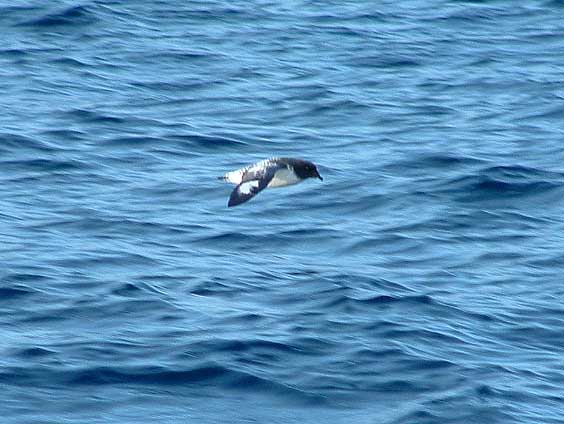
The other seabird of which we are particularly fond are the pintado petrels. They come sidling up to the side of the boat at wave height and suddenly zip under the bow, so close that you're sure they've been driven under - but they never are. They are full of fun and keep us company almost as loyally as some albatross, which have followed us day after day for thousands of miles.

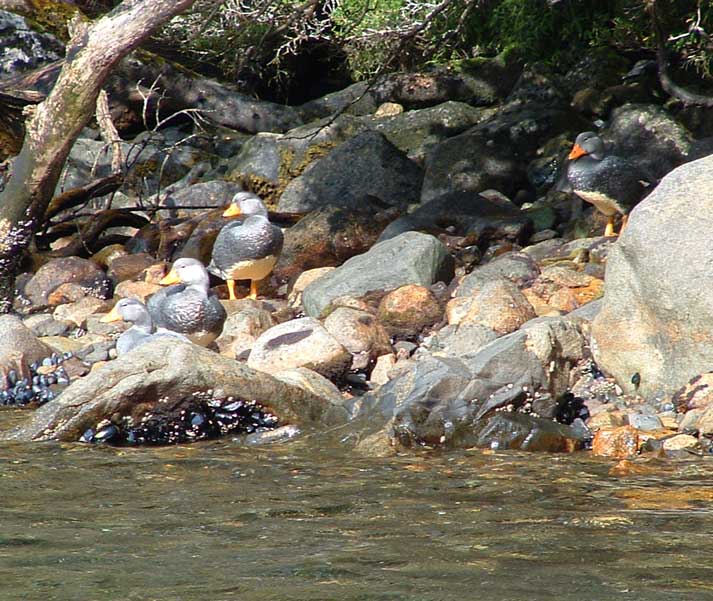
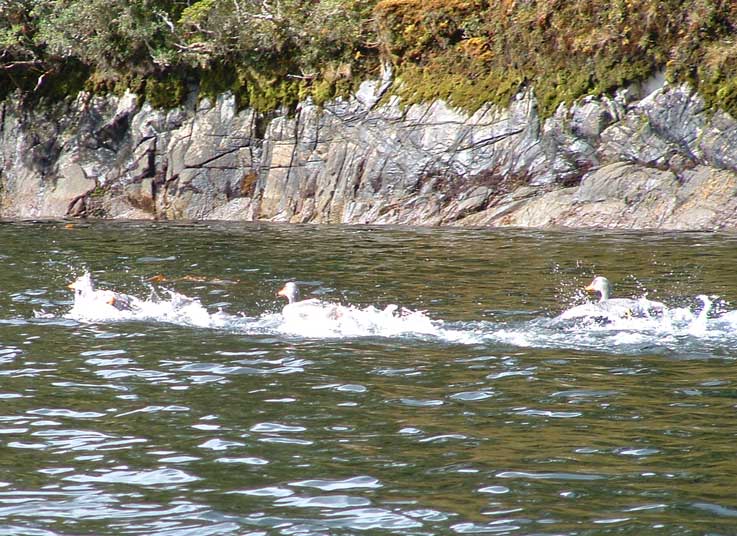
The birds most commonly associated with Patagonia are the flightless steamer ducks. At rest they are quite elegant, with their navy gray bodies and bright orange bills. However, when they take fright they paddle away furiously in an ungainly, water-borne imitation of flight.


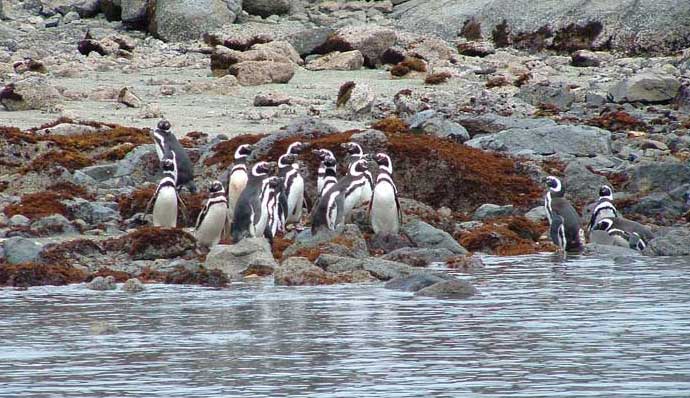
Also everywhere in the Canales were the magellanic penguins, occasionally, as here in groups ashore near their colonies, but more often singly or in pairs, feeding in the water.


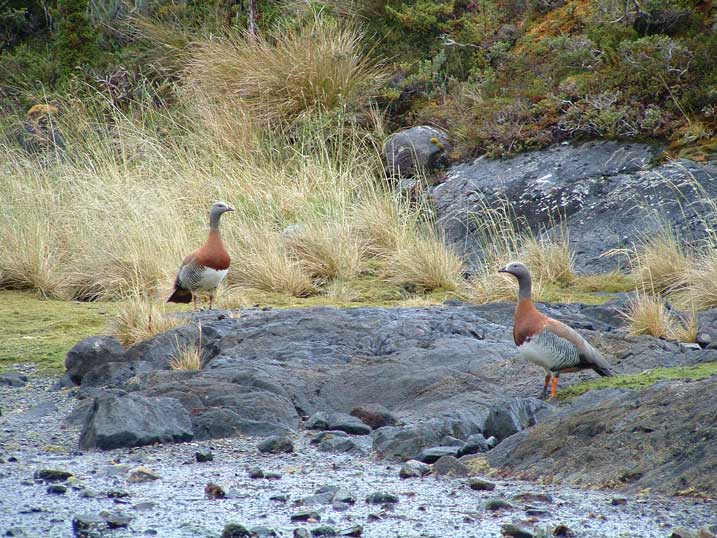
The most elegant among the several geese of Patagonia are undoubtedly the ashy headed.


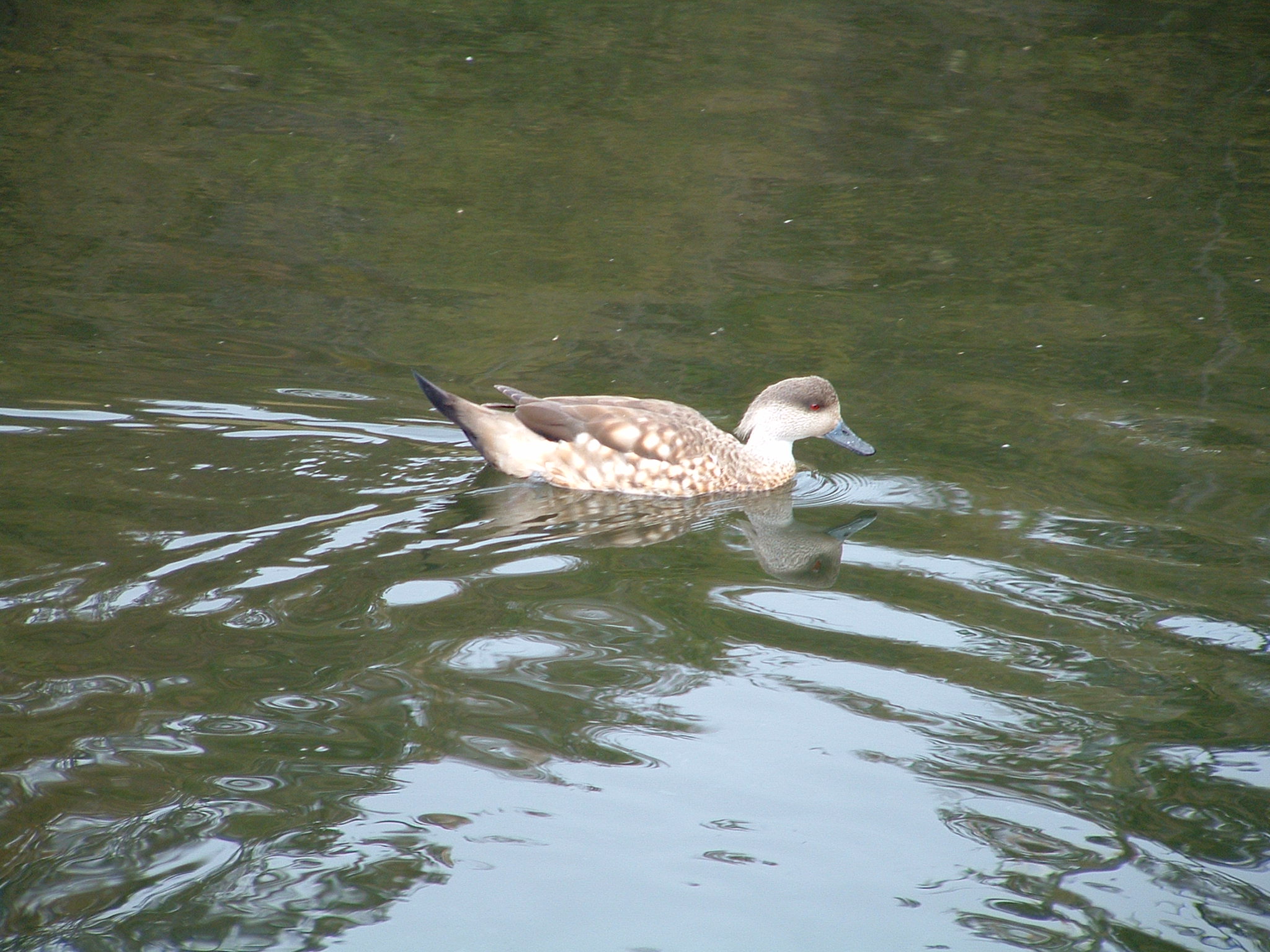
The patagonian duck.


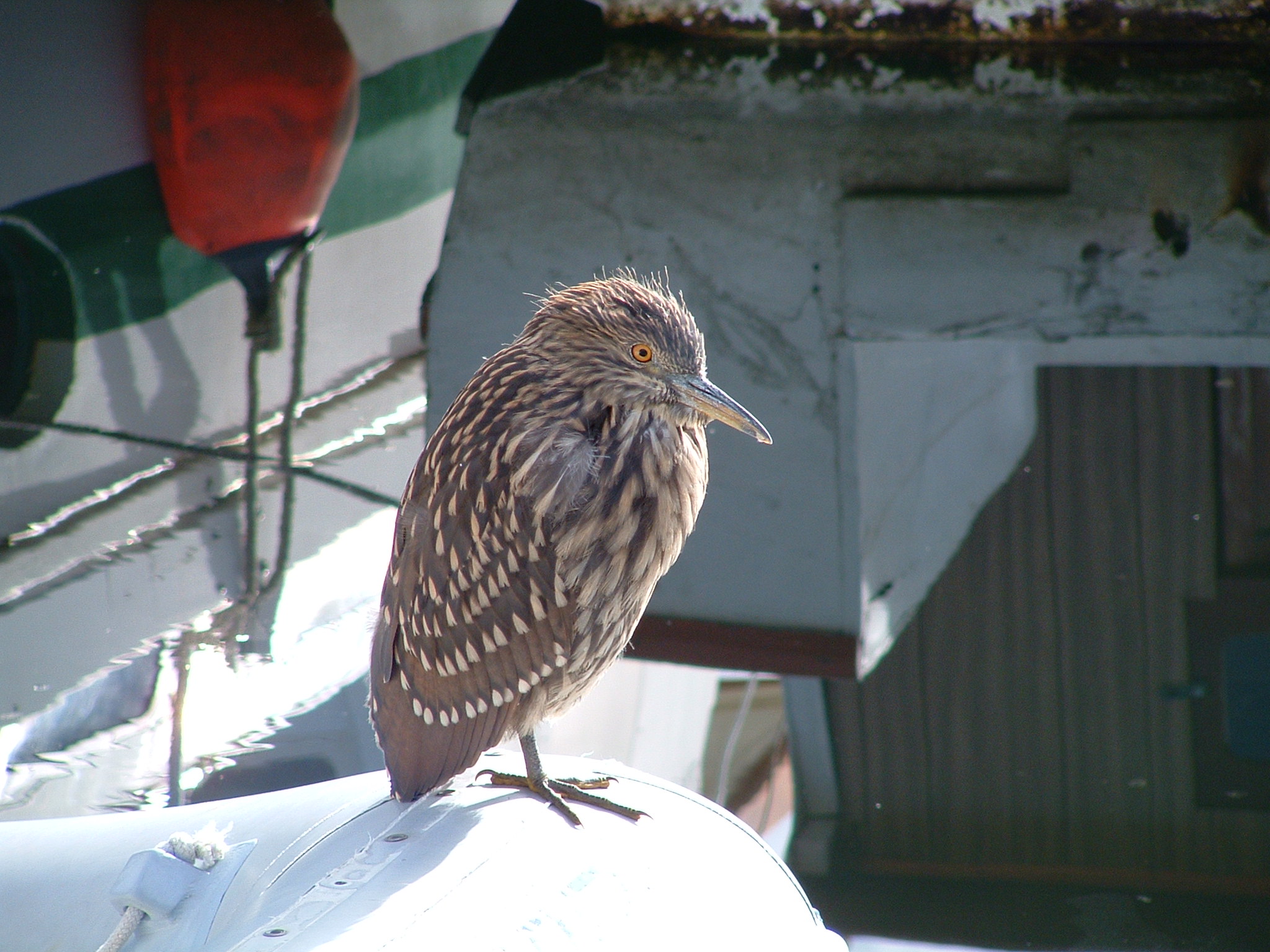
The night herons are remarkably undaunted by human presence. In their natural surrounding they are superbly camouflaged - but not so well when perched on human artifacts.


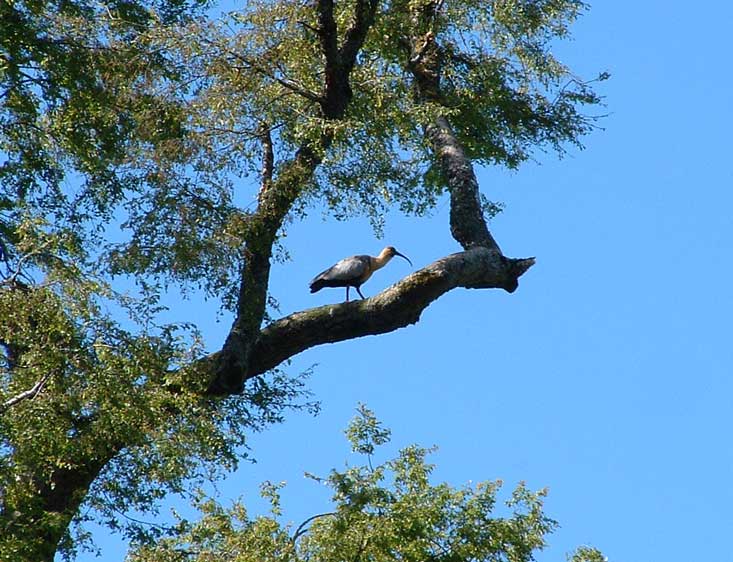
The buff-necked ibis is the most distinctive bird of central Chile. Its raucous honking is heard almost everywhere.


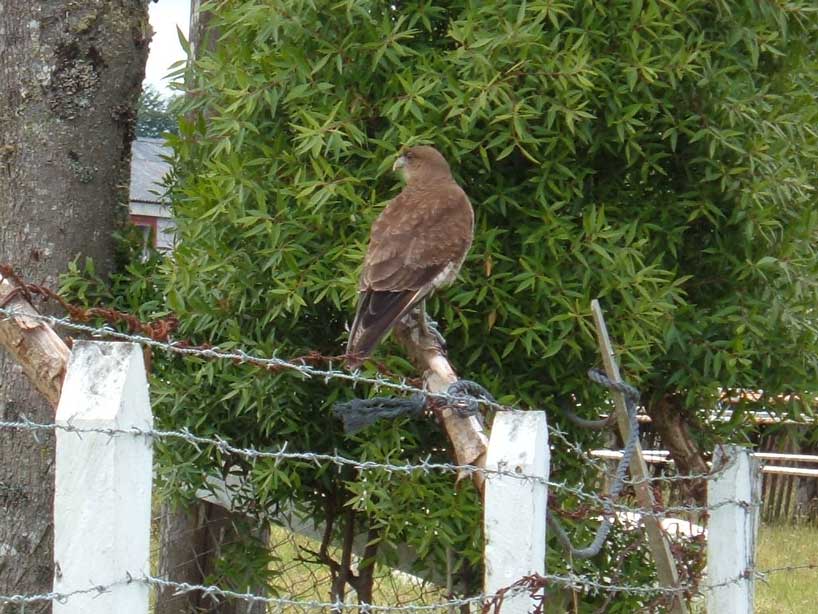
The crows of Chile are the caracara, in fact, quite an attractive hawk-like bird, but a scavenger, not as gregarious as the rook, but with a similar noisy cackle.


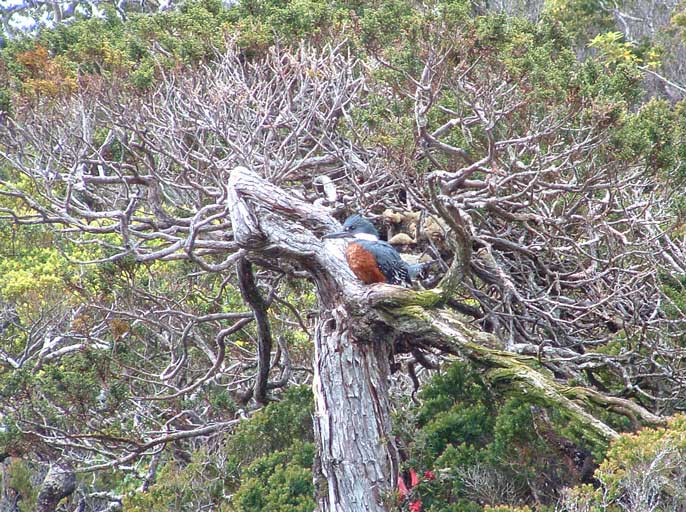
We love kingfishers, which you can almost always hear defending their territories long before you see them. Like oystercatchers they seem to be almost exactly the same everywhere in the world.


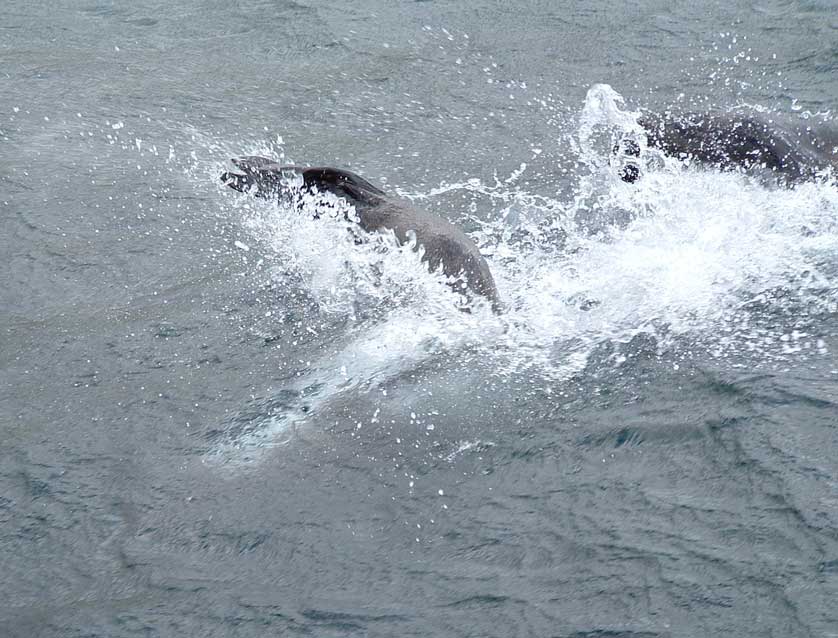
Though the dolphins and sealions come to play very often, they are desperately camera shy, so this is a typical photo, a lot of splash and not much sea mammal. These are sealions, which cavorted in the waves of the Straits of Magellan, much more like dolphins than sealions we have seen elsewhere.


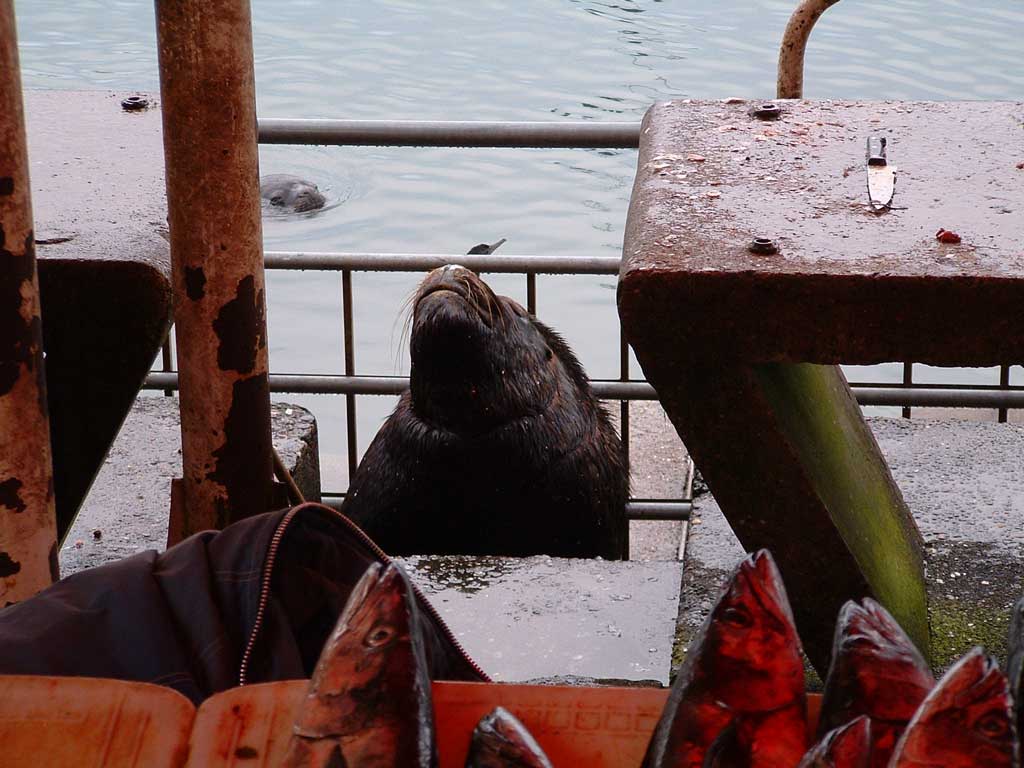
At the other end of the spectrum are these huge, lumbering bulls, which loiter near places where fish are being processed, such as here at the Valdivia fish market.


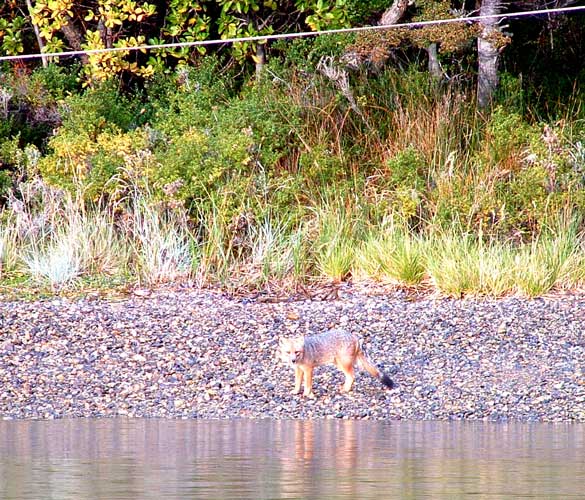
At Caleta Olla a patagonian fox, clearly habituated to humans. Investigated our shore lines and on a later occasion ran off with a camera, stolen from an unattended backpack.


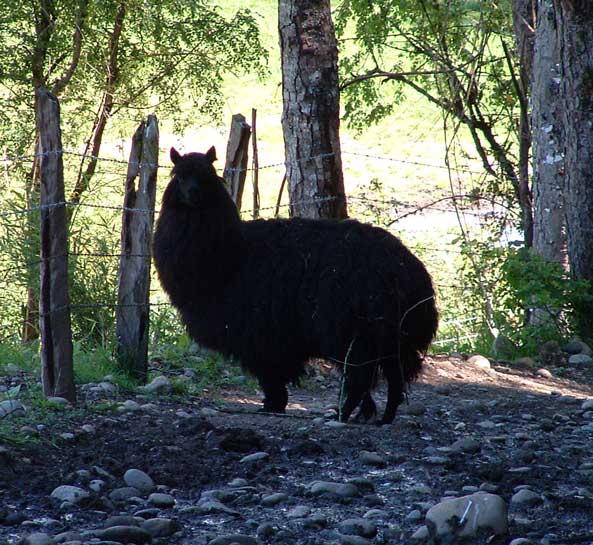
Though this was a domesticated alpaca, some would argue that these animals only just tolerate humans.


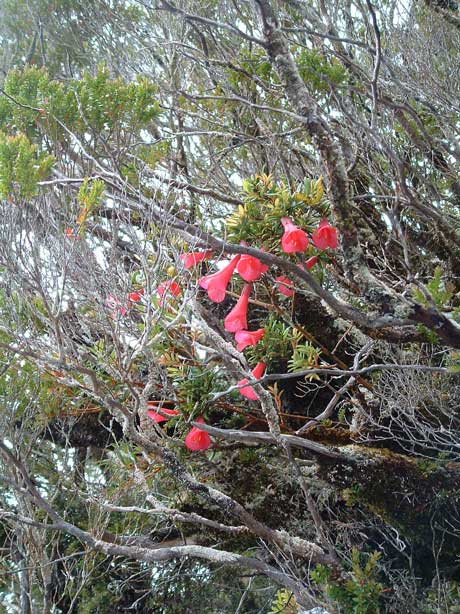
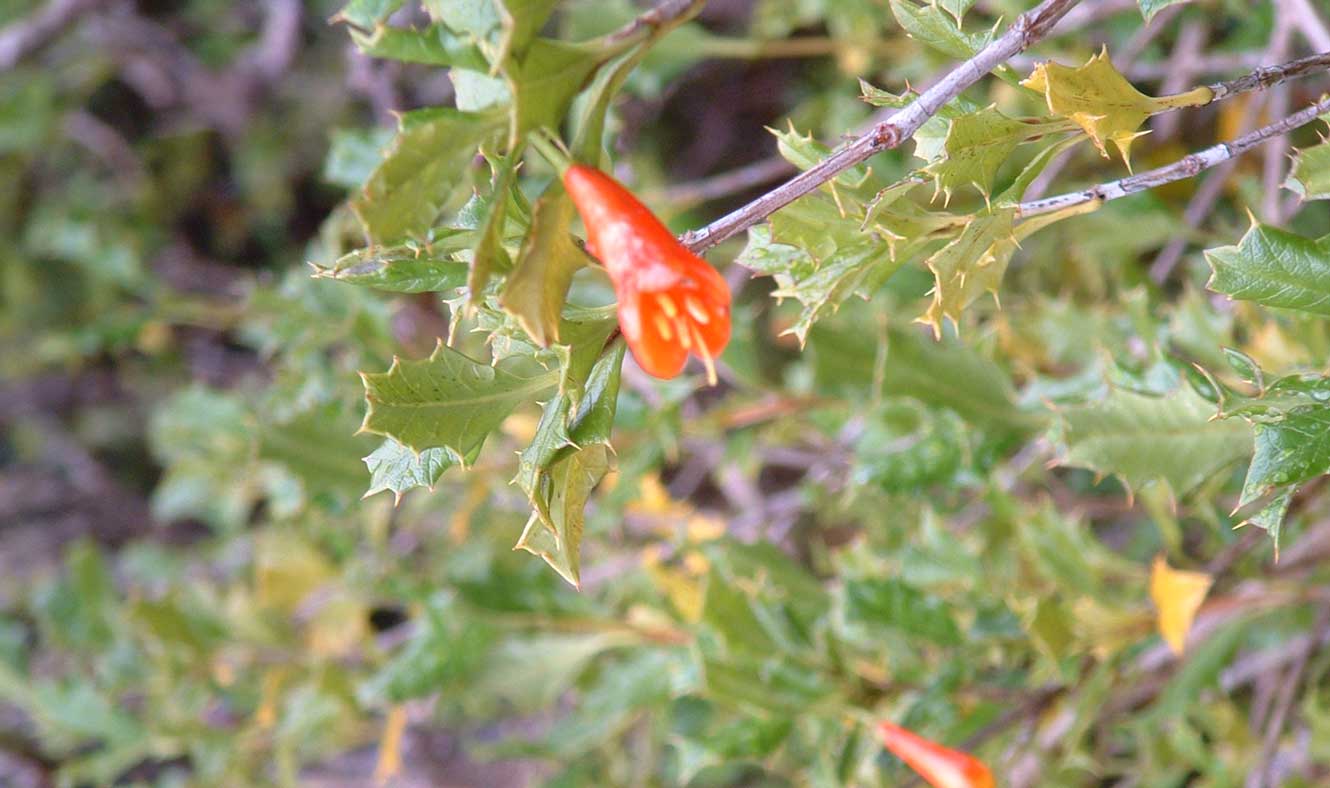
These two very similar flowers are often seen in the Canales. They are the coicopihue (left) and the copihue (above). The latter is the national flower of Chile.


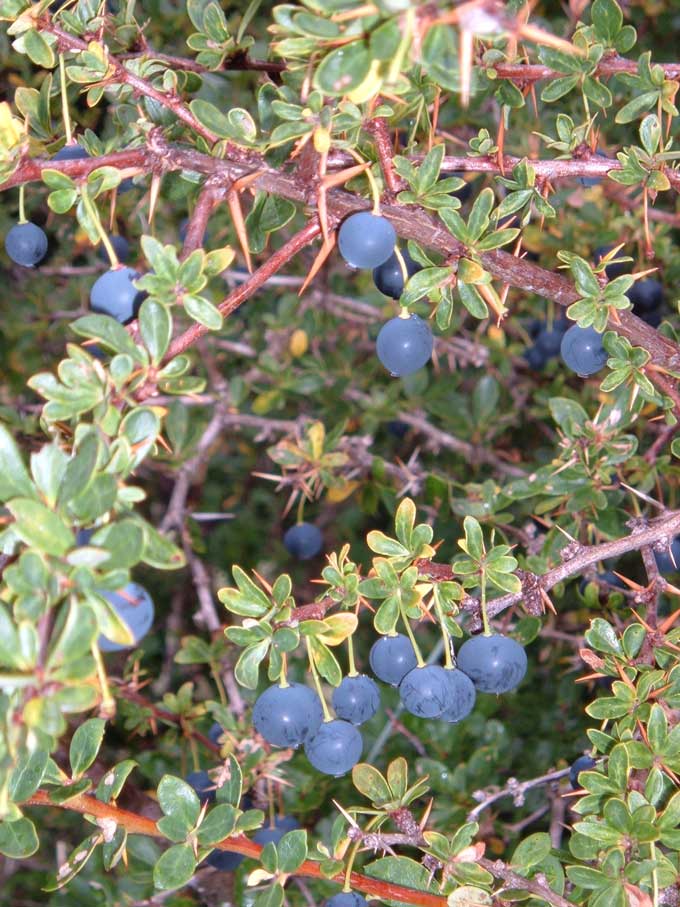
The califate berries are edible and are found throughout the Canales region. They taste a bit like blue berries, but a little tarter.


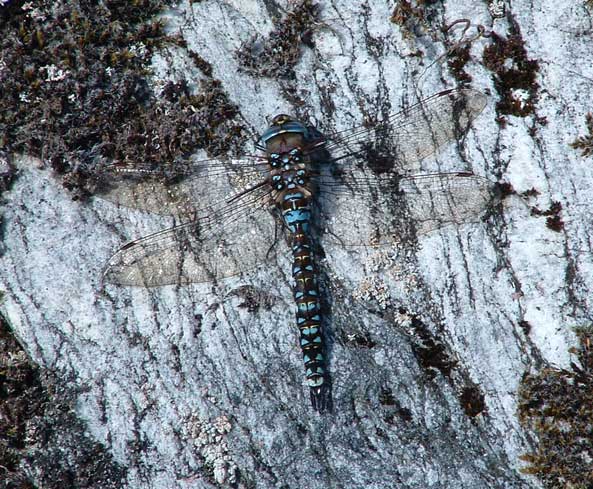
Somehow the glacial rocks facing a glacier at 54 South are not where you might expect to find such a beautiful dragonfly.


Home